
Awaab’s Law Update: Regulations Laid in the Scottish Parliament
On 21 January, the Scottish Government laid proposed regulations before the Scottish Parliament as part of the Investigation and Commencement of Repair (Scotland) Regulations 2026, with a target commencement date of 6 October 2026, subject to parliamentary approval.
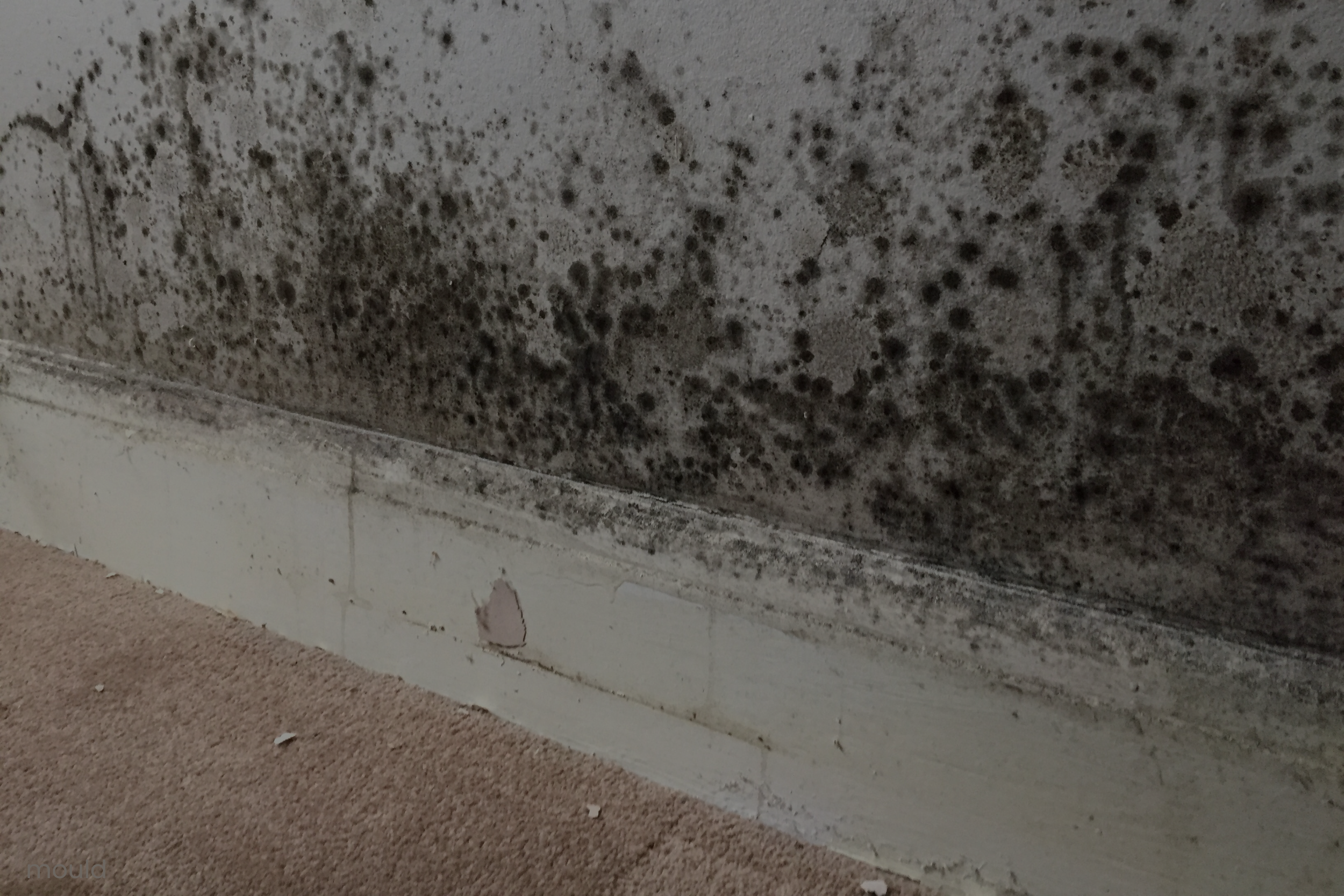
This follows ongoing work across the UK in response to the tragic death of two-year-old Awaab Ishak in 2020. His death, caused by prolonged exposure to mould in his family’s housing association flat, led to renewed scrutiny of damp and mould hazards and the creation of Awaab’s Law to protect tenants.
What Has Been Proposed?
The regulations form part of Scotland’s approach to implementing Awaab’s Law through the Investigation and Commencement of Repair Regulations 2026. At a high level, this work proposes that Scotland will:
Follow the English-style model of Awaab’s Law, focusing on underlying repair and maintenance defects rather than simply the presence of mould or damp.
Extend the principles of Awaab’s Law into both the social housing sector and the Private Rented Sector.
Create statutory duties for landlords to investigate and address damp and mould concerns within defined timeframes.
Cabinet Secretary Mairi McAllan laid the regulations as part of the broader policy programme relating to the Wellbeing Economy, Net Zero and Energy portfolio.
How Will Awaab’s Law Operate in Scotland?
Subject to parliamentary approval, Awaab’s Law is expected to take effect through amendments to existing Scottish housing legislation:
For private landlords, changes to the Repairing Standard under the Housing (Scotland) Act 2006.
For social landlords, changes to the Right to Repair scheme under the Housing (Scotland) Act 2001.
Draft proposals indicate strict timeframes, including investigation within 10 working days, written notification within 3 working days, and arranging works within 5 working days. These remain subject to confirmation in statutory guidance.
Why This Matters for Landlords
Damp and mould are more than aesthetic problems. They can indicate deeper building failures, including:
Roof and rainwater goods defects.
Defective pointing or masonry.
Rising damp is linked to drainage and ground levels.
Insufficient ventilation and thermal performance.
These issues are especially relevant in Scotland, where older tenement stock and traditional sandstone buildings rely on breathable construction methods. Cement-based repairs, failed gutters, and untreated masonry can trap moisture and accelerate decay, leading to mould, rot and unhealthy living conditions. These issues are well documented in our technical presentations and conservation work.
Preparation for the Private Rented Sector
While no new duties apply until the regulations are approved and commence, private landlords would be wise to prepare early by:
Carrying out routine building inspections.
Ensuring roofs, gutters, and rainwater goods are functional.
Verifying ventilation systems and extractors.
Keeping detailed photographic maintenance records.
Avoiding inappropriate cement repairs on traditional stone buildings.
Planning budgets for preventative maintenance.
These approaches are well aligned with current sector guidance for PRS landlords preparing for the damp and mould regulation.
What Happens Next?
We now enter a period of parliamentary scrutiny. We expect:
Evidence sessions via the Local Government, Housing and Planning Committee.
A Committee vote recommending approval or rejection.
A final parliamentary vote on commencement.
Publication of formal guidance for landlords.
Once approved, the regulations will commence on the date set out in the statutory instrument, and landlords will then be legally bound to comply.
Final Thoughts
Scotland’s progress on Awaab’s Law signals a significant shift in housing standards and tenant protection. Damp and mould are no longer being treated as lifestyle issues. They are now explicitly linked to the tolerable standard, with Scottish Ministers empowered to define when a property is considered substantially free from rising or penetrating damp.
For landlords, letting agents, factors and housing professionals, the message is clear. Understanding property condition, materials and moisture management will soon be a regulatory requirement rather than good practice.
As conservation-accredited architects specialising in traditional buildings, tenement repair and fabric investigations, we will continue to provide updates as the regulations progress through Parliament.
For advice on damp, mould, tenement maintenance or heritage building surveys, please contact jo@millarchitects.co.uk